Someone You Should Know: PMG’s Kristina Cushing de Recinos
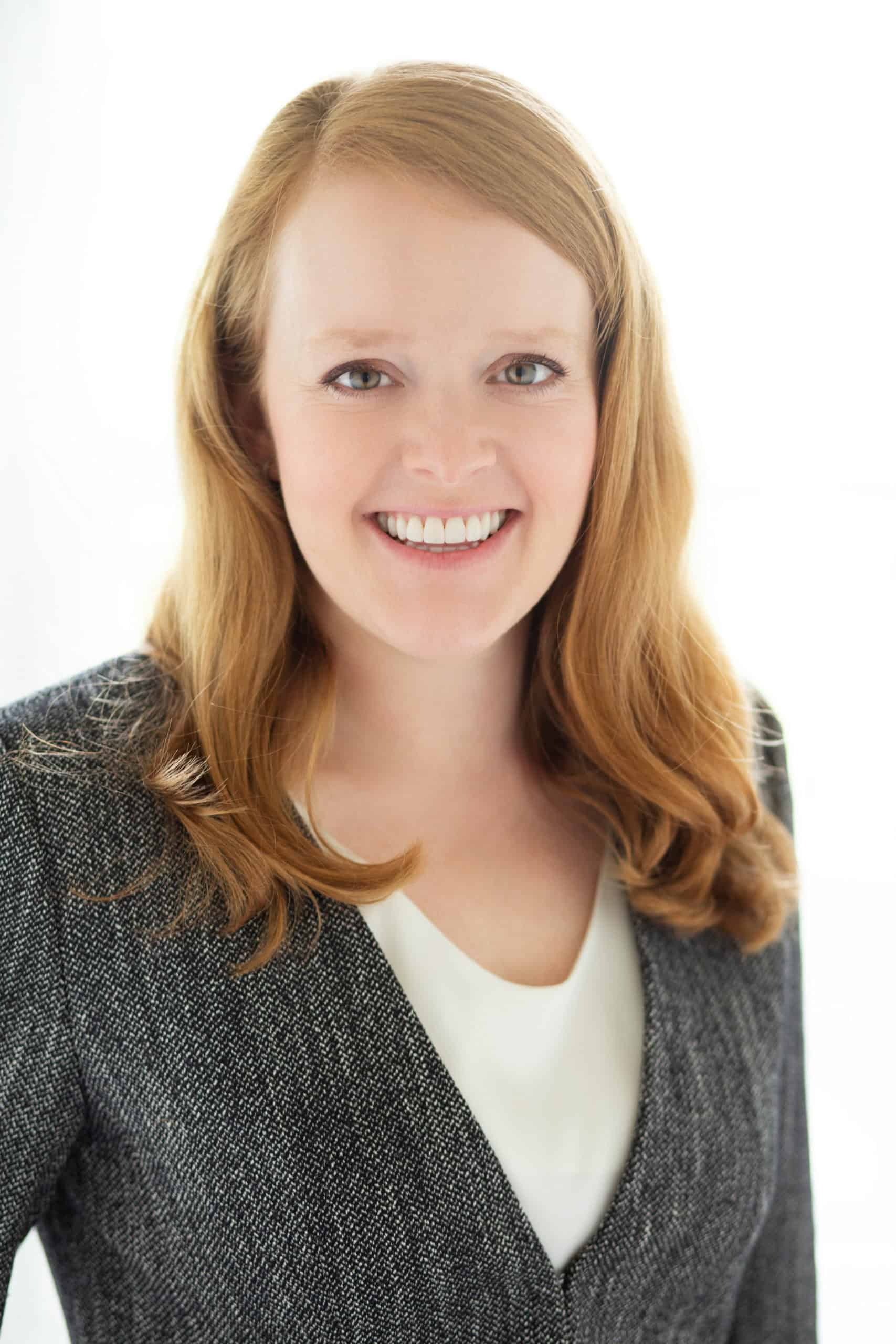 Today, Kristina Cushing de Recinos is Vice President of Program Management at technology infrastructure company Public Media Group, but she started her career as an educator. Teaching English in Austria was Kristina’s first job just after college graduation. Returning to the U.S., she had a short stint in the steel industry before joining the Corporation for Public Broadcasting in Washington, DC. And while she had planned to return to her roots in education, “I landed on a team at CPB that oversaw projects supporting technology, infrastructure, and station operations — and the rest is history!”
Cushing de Recinos traces her involvement with ATSC to when she attended her first meeting as a representative from CPB about six years ago. Presently, she supports ATSC 3.0 for the broadcasting industry in her role at Public Media Group. Kristina is working now on the newly-announced expansion project that seeks to increase the number of Single Frequency Network ATSC 3.0 deployments across the country.
“SFNs create a more consistent, reliable signal throughout the market area, allowing a broadcaster to reach more people and more devices – like the future opportunities with mobile broadcasting,” she explains.
She enjoys a few different activities outside of the office, such as hiking, gardening, and anything that keeps her active and gets her outside of the house to explore. Cushing de Recinos believes that the big benefit of ATSC 3.0 is the technology’s engineering enhancements that are supported by strong standards.
 “Broadcasters will be able to reach more people with SFNs and make over-the-air television even more popular,” Cushing de Recinos says, with higher quality Ultra High-Definition and High Dynamic Range video as well as improved audio. And ATSC 3.0 could lead to new revenue streams for broadcasters, noting that “data consumption is only increasing, and broadcasters can play a part in providing safe, secure, and cost-effective one-to-many distribution.”
She also believes that ATSC 3.0 will help broadcasters improve on their essential services, especially with SFNs. “Public safety and advanced emergency alerting, distance learning, telehealth – all can be more impactful thanks to the capabilities of next-generation television. I feel strongly that broadcasters provide a critical service that benefits the American public, and I believe that ATSC 3.0 only enhances and improves that service.”
Posted in ATSC News
Subscribe to our Newsletter
Subscribe to The Standard, our monthly newsletter, to stay up-to-date with ATSC news and events around the world.