
Someone You Should Know: Chris Homer
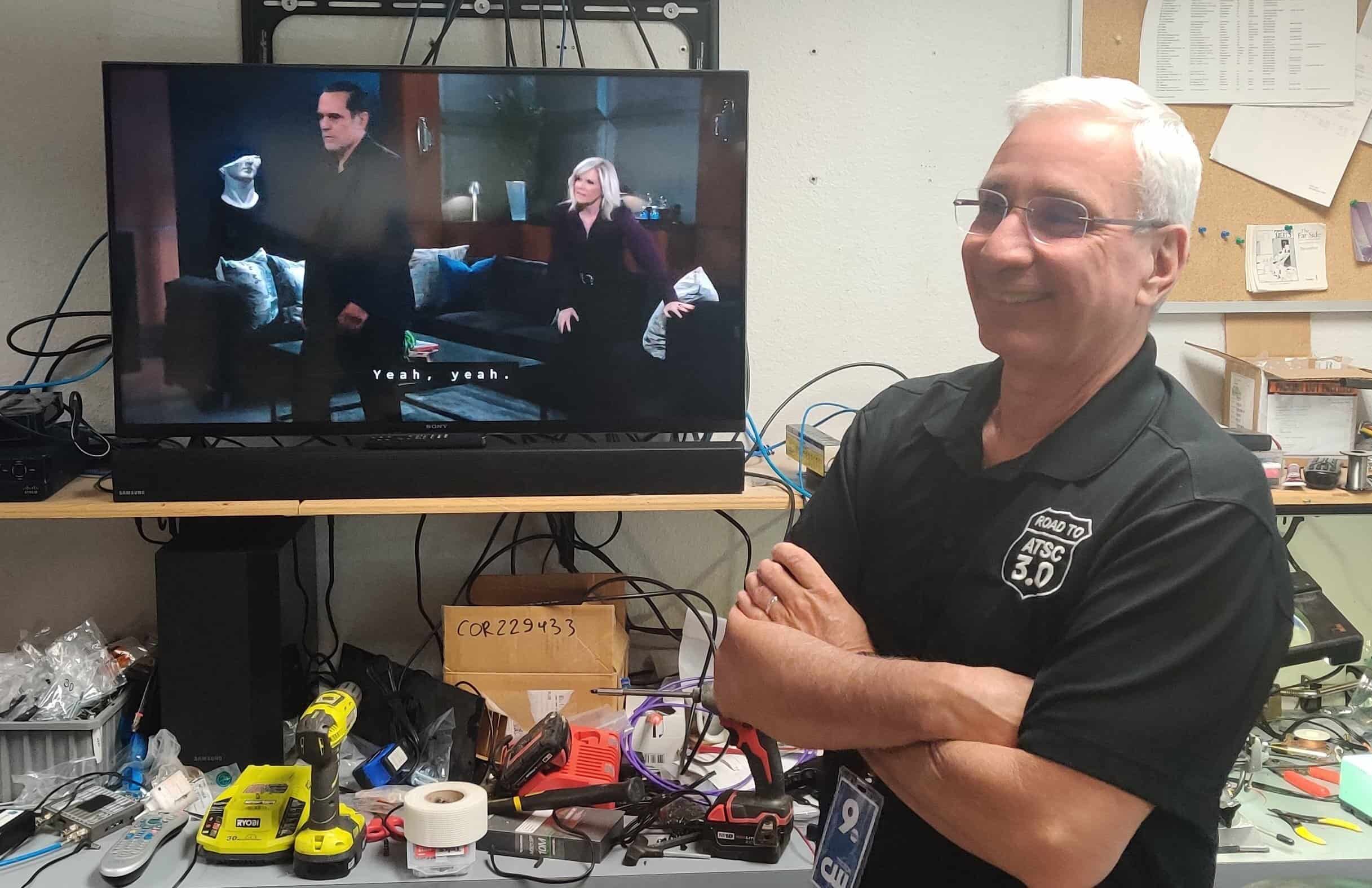 Chris Homer brings a passion for innovation, a strong technical foundation, and an appreciation for broadcast standards to his role as Director of Engineering at KGUN 9, the Scripps ABC affiliate in Tucson, Arizona. Managing a dynamic team of engineers, IT professionals, master control technicians, and production staff supporting two full-power TV stations and a one translator, Chris is at the center of 24/7 broadcast operations that serve Southern Arizona.
Each day, Chris ensures the smooth production of nine local live newscasts during the week and two each weekend day, while working closely with both local master control technicians and Scripps’ centralized broadcast hub in Indianapolis. His team also oversees the upkeep and advancement of the station’s technical infrastructure—including the main studio facility and remote transmitter sites—while collaborating with Scripps’ corporate engineering on forward-looking technology projects.
 Chris’s deep involvement with ATSC began over a decade ago while at PBS, where he represented member stations and helped integrate captioning and subtitle technology into ATSC 3.0 as Chair of Specialist Group S34-5. Today, he continues to chair Specialist Group S34, now as a representative of Scripps, and brings a wealth of experience from his time on the Emergency Alerts Implementation Team (I-Team) and Planning Team 6 for ATSC Global Recognition.
What excites him most about the future of ATSC 3.0? “It’s the blending of broadcast and broadband,” Chris says. “We’re seeing cutting-edge technologies—like ROUTE/DASH, MMT, HTML5, HEVC, VVC, Dolby Atmos, and MPEG-H—come together in a flexible, IP-based ecosystem. The integration of cloud and AI into broadcasting is something I’m particularly enthusiastic about.”
When he’s not pioneering the future of TV, Chris enjoys life in Sahuarita, Arizona, with his wife and their Pomeranian, Sasha. Surrounded by stunning mountain views, they appreciate the beauty and serenity of the Southwest.
 In his downtime, Chris dives into thoughtful reads like Atomic Habits and revisits classic sci-fi with the Dune series. He’s also a fan of binge-worthy content, including Star Trek and Reacher. And if he hadn’t chosen a career in engineering? “I love the Weather Channel,” he laughs. “I think being a meteorologist would have been a great fit.”
With a deep respect for both the legacy and the future of broadcast technology, Chris Homer is certainly someone you should know.
Posted in ATSC News
Subscribe to our Newsletter
Subscribe to The Standard, our monthly newsletter, to stay up-to-date with ATSC news and events around the world.