Someone You Should Know: Matt Kaplowitz
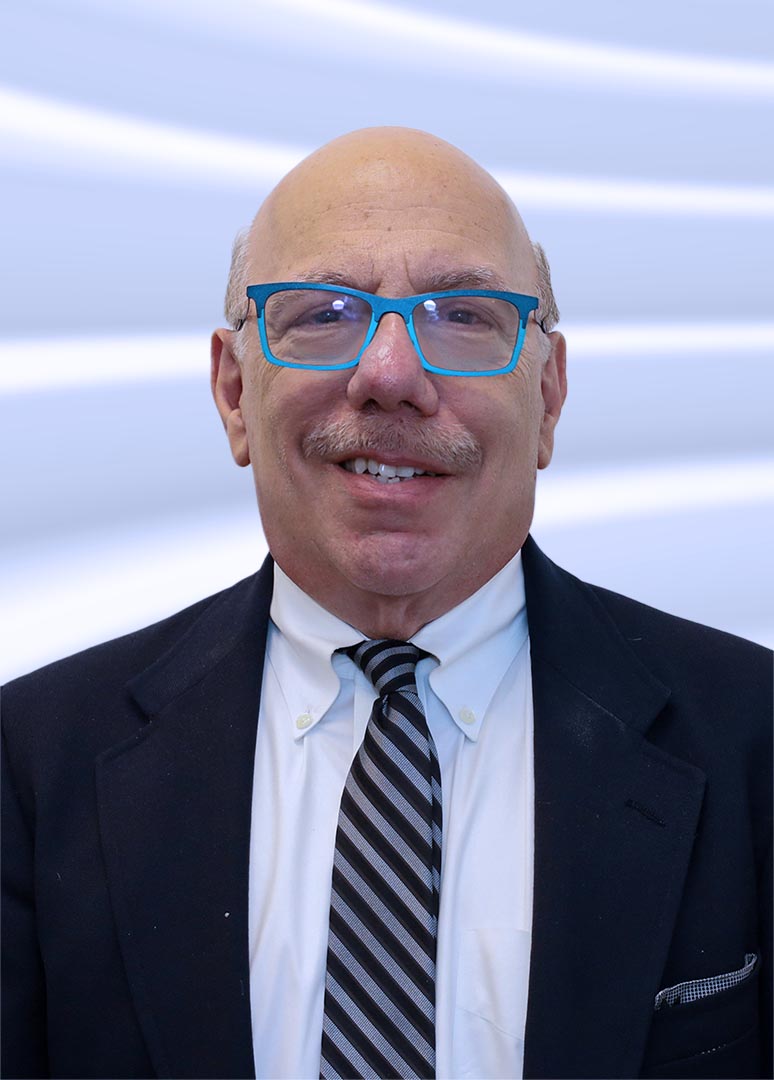 If you’ve spent any time thinking about accessibility in media, there’s a good chance you’ve encountered the work of Matt Kaplowitz.
Matt is CEO and President of Bridge Multimedia, a company focused on making media accessible in practical, production-ready ways. The organization’s work spans audio description, captioning, translations, image descriptions, American Sign Language services, accessible companion content, and accessibility planning for emerging platforms.
As the broadcast industry continues its transition to NextGen TV, Matt has been helping connect the worlds of accessibility, educational media, and ATSC 3.0 implementation, working to ensure that new capabilities are not only technically possible but also meaningful and usable for all viewers.
Much of Matt’s work focuses on accessibility, media, communications technology, user experience, and public policy across broadcast and digital platforms and involves helping organizations think about accessibility as more than a compliance requirement and as part of how real people experience media and information.
Matt’s path into accessibility work is both professional and personal. As the parent of a daughter with multiple disabilities, he has seen firsthand how accessibility can either remove barriers or create them. “That experience shaped me as a parent advocate,” he said. “My background in media and technology gave me a way to work on those issues at a systems level.”
Today, one of his major areas of focus is helping disability-focused organizations and accessibility advocates better understand the ongoing ATSC 3.0 transition and the issues being discussed in FCC proceedings related to NextGen TV. He also works to translate accessibility concerns into practical implementation guidance, helping stakeholders understand the content, metadata, interface, and workflow decisions that determine whether features actually work for viewers.
Matt sees tremendous potential in ATSC 3.0’s ability to support personalization, multilingual services, advanced audio options, and richer emergency communications. “One of the most exciting things about ATSC 3.0 is that accessibility can become part of the core viewing experience rather than something bolted on afterward,” he said.
Emergency communications are particularly important to him. He notes that broadcast television remains a critical source of local news, weather, and emergency information for many households, and that ATSC 3.0’s advanced alerting capabilities can provide significant public-service benefits when accessibility is implemented consistently.
What many people may not realize is that accessibility features benefit far more people than the audiences they were originally designed to serve. “Captions are used in gyms, airports, sports bars, and noisy homes. Language options help families and communities. Clearer emergency information helps anyone under stress,” Matt said. “The opportunity with ATSC 3.0 is not just to add accessibility features. It is to make the viewing experience more flexible, personal, and usable for all viewers.”
Outside of work, Matt enjoys listening to and playing jazz whenever he can. A fact that often surprises people: he co-authored one of the first books focused on preventing school violence.
When it comes to entertainment, he enjoys concert films, action movies, and “almost anything with great spatial audio.”
And the best advice he has ever received?
“You can do anything, but not everything.”
Posted in ATSC News
Subscribe to our Newsletter
Subscribe to The Standard, our monthly newsletter, to stay up-to-date with ATSC news and events around the world.